
|
Getting your Trinity Audio player ready...
|
Why Ownership Matters
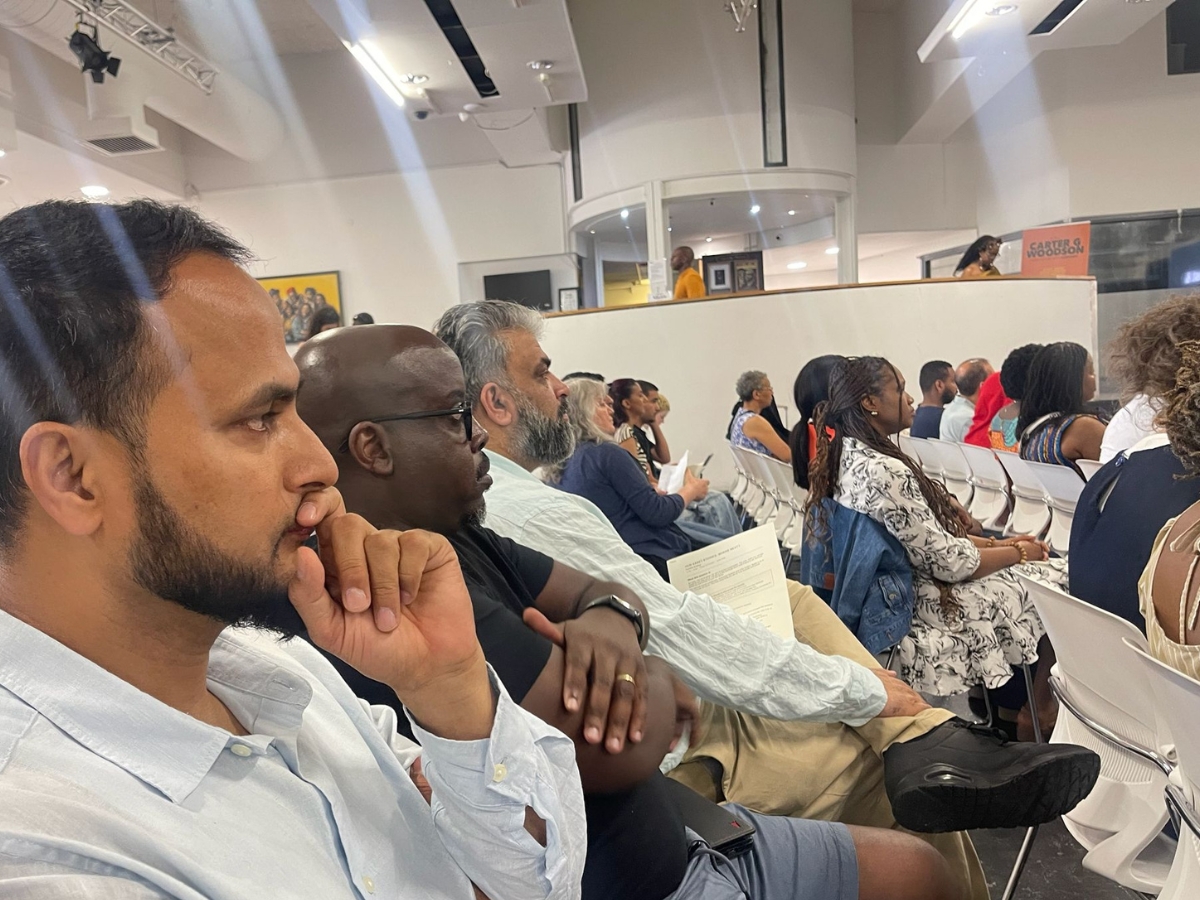
Keith Shayaam-Smith, CEO of the Legacy Centre, spoke about the importance of Black and Brown communities owning their own facilities, so their existence can be maintained. For Keith, the loss of community facilities built by the Windrush generation is like losing an elder.
Land expert Amahra Spence explained how, when local authorities like Birmingham need to save money, the first item on the agenda is to sell off assets like libraries, youth centres and health centres. When we lose these facilities, we lose the livelihoods of those working there and the social infrastructure which forms the foundation of people’s lives.
For Amahra, if a community owns the land that their facilities are built on, then they have control over their facilities for the long term. And this was something echoed by community leaders from around the country: community ownership of community centres, youth centres and playgrounds gives those facilities safety, security and the ability to plan for the long term. A landlord cannot force communities out through lease changes and a local authority cannot decide to sell the land out from under you.
Communities Building Power Across the Country
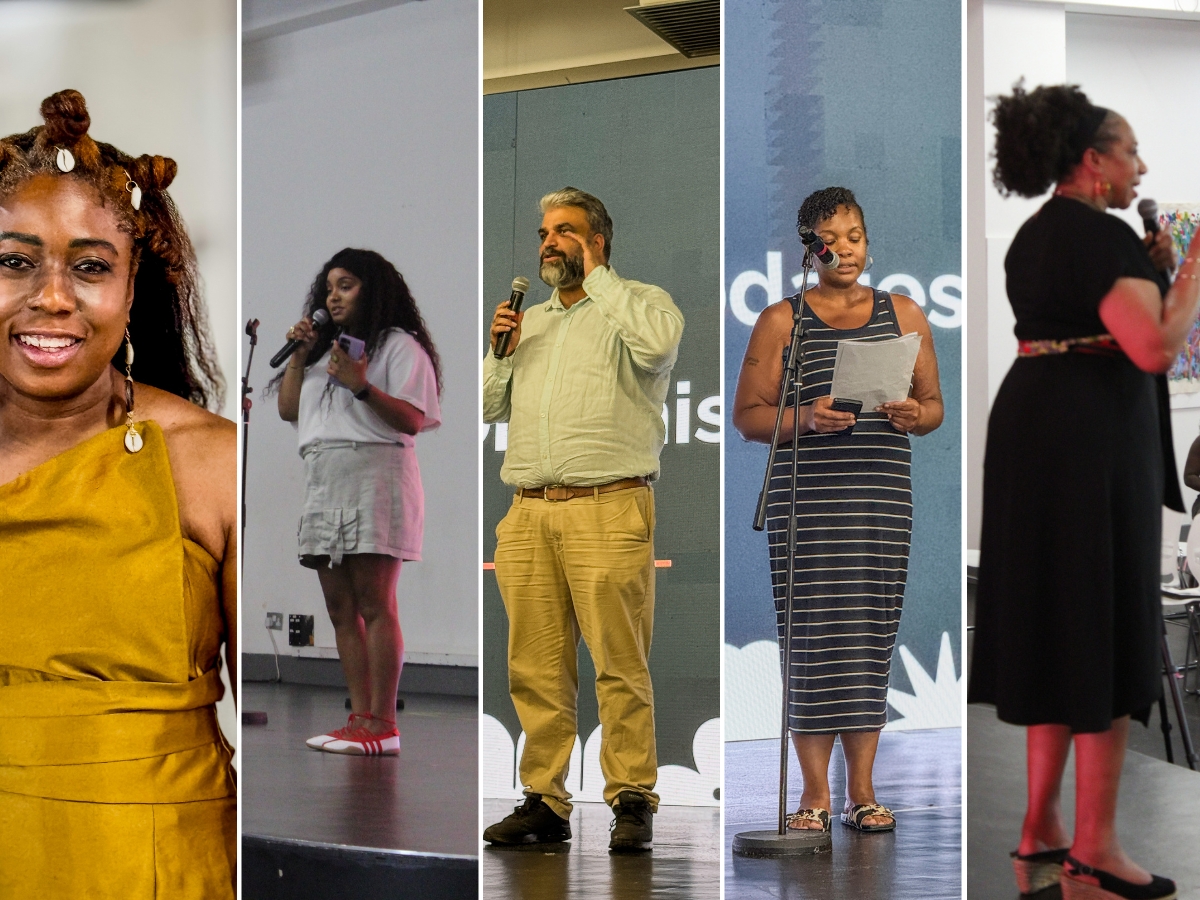
In Glasgow, the diverse working-class community in Govanhill now own Govanhill Baths, a wellbeing and arts centre. The community is often underestimated and not seen as expert enough to run their facilities – but, as Glasgow leader Fatima Uygun put it, “If a single mum can run a household, she can run a building.”
In Lambeth, the Loughborough Community Centre at Max Roach was founded in the aftermath of the Brixton Riots in 1981 to give children a safe space to play, learn and thrive. But the centre is coming to the end of a 10-year lease and is trying to persuade the local authority that they need a longer-term lease in order to invest in the physical building.
In Newham, leaders are working to secure a permanent space for community organisations to operate from. They have turned a derelict empty playground into a community hub and are now in discussions to own the land itself, rather than rely on a succession of short-term leases.
In Nottingham, community leaders are trying to buy a handful of buildings to host community organisations – and have already succeeded in acquiring one. When organisations rely on landlords for their buildings, racist attitudes mean landlords may not believe the community is fit to run the building. Asset ownership would protect the community from this.
In Manchester, 10 organisations led by Black, first-generation immigrant women have acquired a “forever home” with no mortgage. The organisations – which serve first-generation immigrants from cradle to grave – can now kick off their shoes and feel grounded.
In Birmingham, local groups want to build affordable housing for Black and “Global Majority” women fleeing domestic abuse. These women often fall outside normal funding options for support and struggle to access social housing – but if they had the opportunity to live in affordable housing, they could work towards becoming economically self-sufficient.
Organising for Change
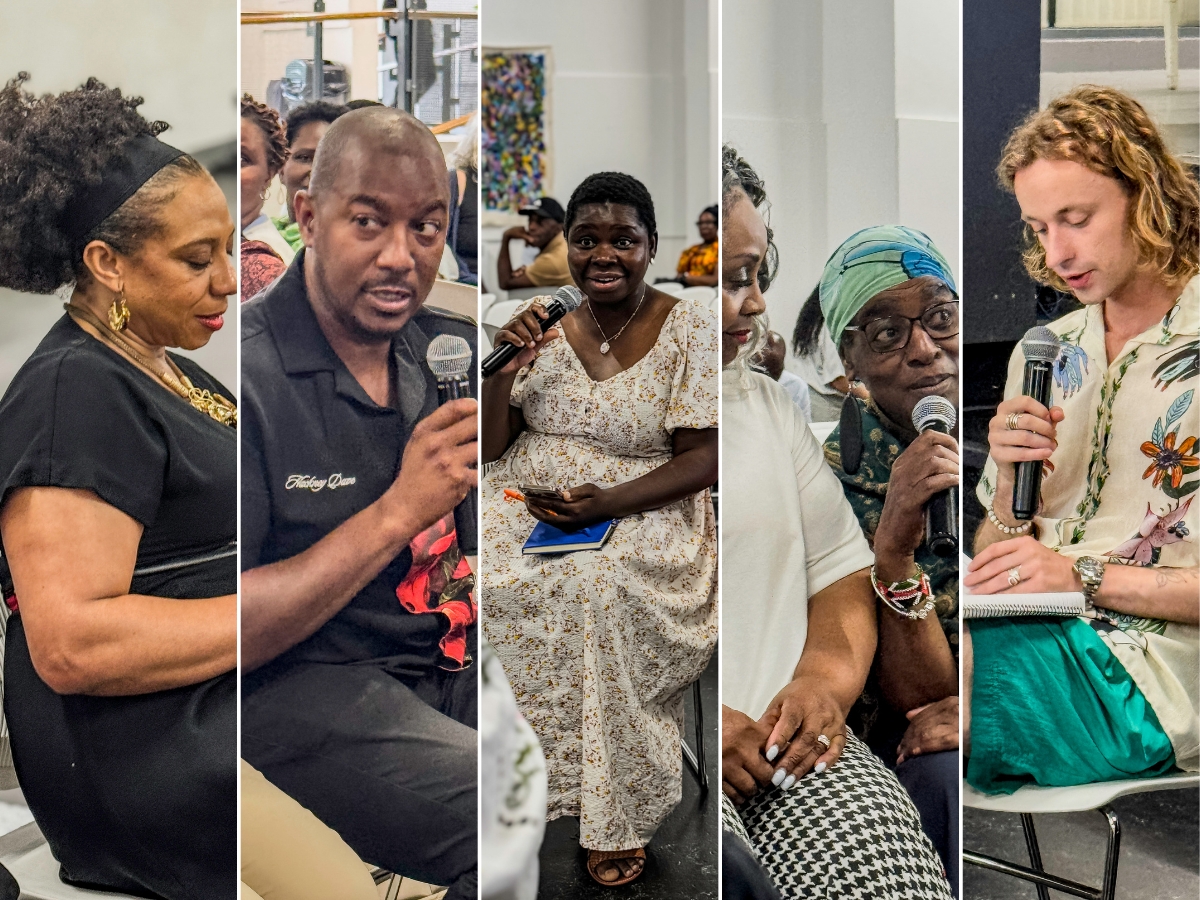
These hubs around the country are also energised by local community organising campaigns. In Glasgow, the Govanhill community is calling for a dedicated permanent building to serve local young people. In Lambeth, community organising has supported organisations made homeless by the sell-off of International House and the bid for community ownership of Brixton Market. In Newham, campaigners have built relationships with the new mayor and all three Newham MPs, making free school meals for all secondary school pupils a major issue in the recent local elections. In Nottingham, leaders are working with the city council to secure land for a community centre which has lain disused and earmarked for development for years. And in Manchester, the community is building a campaign to secure meaningful employment for “Global Majority” communities, outside of the “three Cs” they are normally pushed into: cleaning, care and catering.

Building for the Future
In a world of growing far-right forces, where wealth is increasingly concentrated at the top, communities around the country are working to build wealth and demand better.
Power to Prosper has almost reached the end of its planned three years. The programme is not just about eliminating poverty and debt – it’s about building something for the future. Beyond just improving the social security system or the jobs market, racialised communities need assets and power for future generations.