|
Getting your Trinity Audio player ready...
|
Story by: Melissa Sigodo
In the heart of south London, communities have been fighting back against widening gentrification spreading across the capital. With the Buy Back Brixton campaign launched by local traders to acquire Brixton Village and Brixton Market Row this year, to the Save International House Campaign currently underway, those at risk of losing it all are striving for ownership of their assets and futures.
But for grassroots, Black-led organisations in Brixton which serve predominantly young Black children – a reflection of the district’s racial makeup consisting of descendants of the Windrush generation who were called from the Caribbean as British commonwealth citizens after World War Two – the journey to ownership began decades earlier when community asset transfers from the council starting in the 70s and 80s first allowed local people to formally lease buildings. For years, these vital establishments made up of self-taught organisers with little resources have been battling to move away from the vulnerability of short-term leases into securing longer-term solutions in order to gain more agency and stability.
Now, with the help of Power to Prosper (PTP), a three-year programme tackling the root causes of poverty and debt as well as helping communities build the infrastructure needed to “identify” and “secure critical assets” – valuable community asset managers say they are now able to take the crucial next steps towards ownership of the venues that enrich the lives of people living in Brixton.
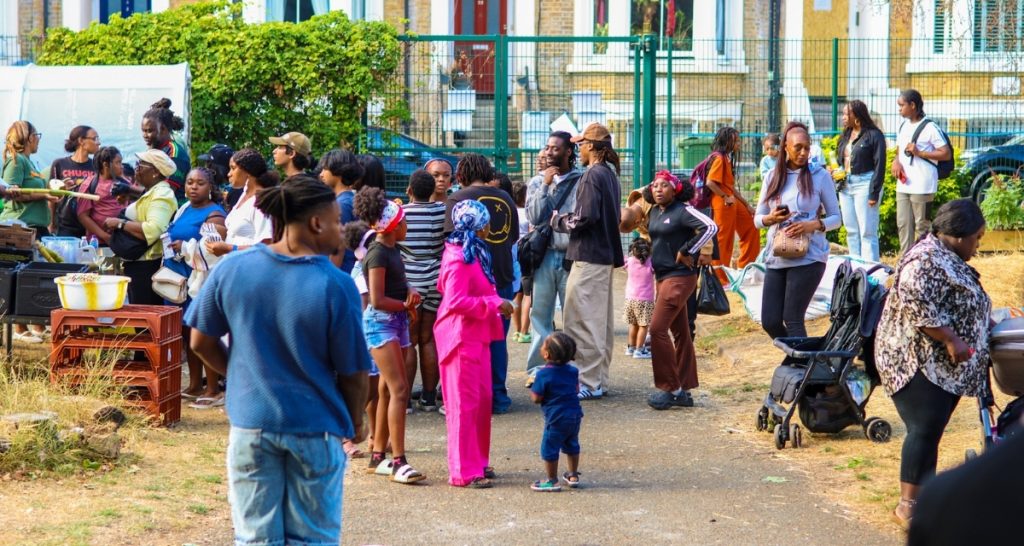
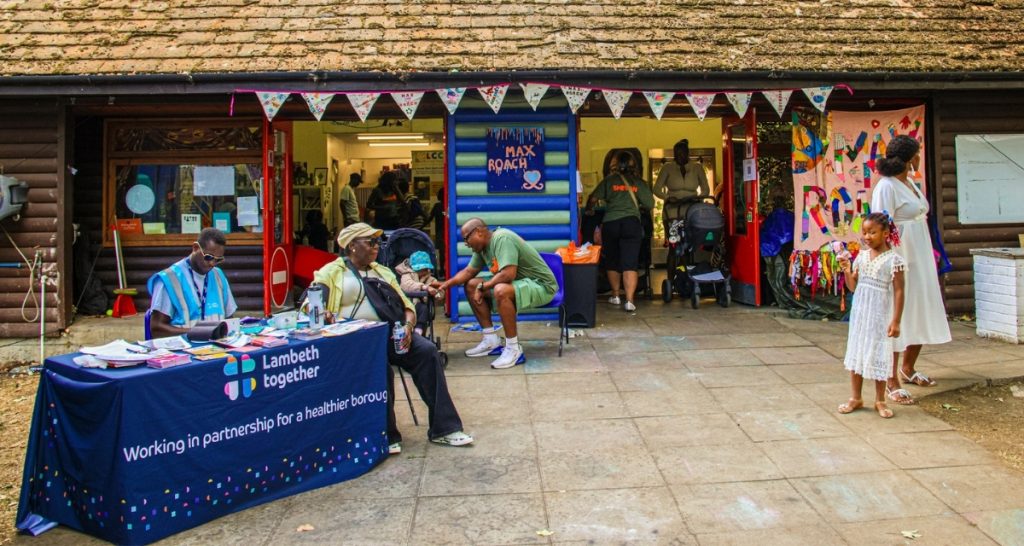
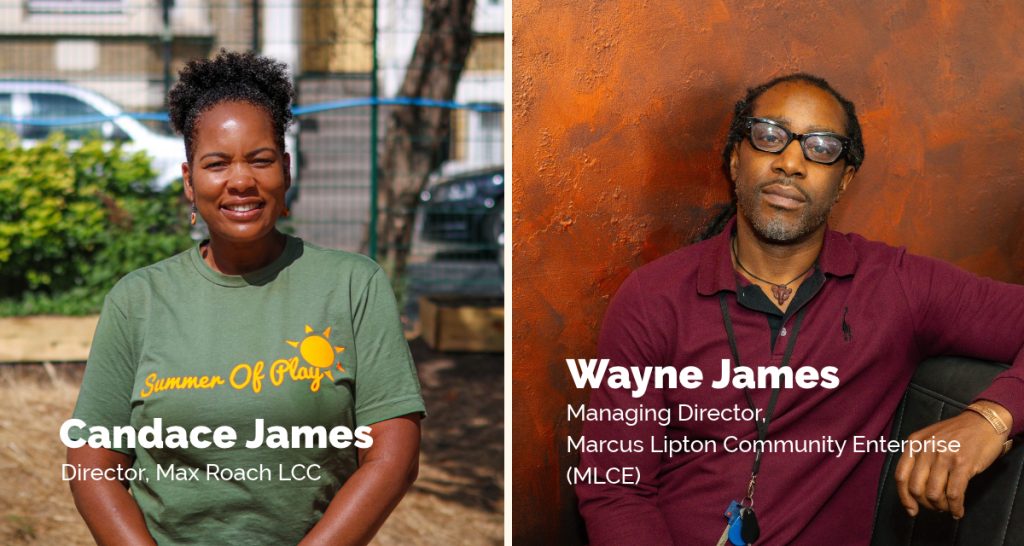
The Loughborough Community Centre at Max Roach (LCC Max Roach) originally set up by the local residents of Loughborough Estate including founding member Constance Rose, a Black woman who later took over from predominantly white management – now runs as a preschool 45 years later named after the pioneer along with a leafy play area. The centre is helping 300 families “thrive” and boasts the “best garden in Brixton”, its director Candice James proudly says.
But Candice and her team have big plans to renovate the venue internally, along with a garden campaign which is part of the Max Roach Centre Adventure Playground and Community Garden Transformation Project. However, funders will need to see a longer 25-year lease which typically isn’t granted by the council, Candice says, as this will give guarantees to investors that the work can be seen through to its completion. But without that assurance, LCC Max Roach remains in limbo facing an uncertain future.
Candice said: “We’ve been held up with the garden campaign because of the lease.”
“We can’t deliver great services within a substandard building that needs renovation.”
“This shouldn’t be hard. We are a good quality community organisation and we’ve got great services delivered from a vital community asset. We’ve got good income streams coming.”
Similarly, Wayne James, the managing director of Marcus Lipton Community Enterprise (MLCE), a youth club located near LCC Max Roach and tucked close to Loughborough Estate says his centre has been continuously applying for short term 10 years leases.
Over that period, Wayne says the club has helped children through a plethora of initiatives. But one of MLCE’s proudest achievements has been sending children off to join the UK’s leading performing and creative arts school, the Brit school. However, despite the “home away from home” which has existed for over 50 years bringing value to the community, its fate sits in the hands of the council each time the lease approaches its end creating an unsettling uncertainty for the club when eager kids desperately need “sustained presence in their lives”.
Wayne said: “I’ve seen children outside the club pressing their face up against the window because they’re waiting for you to open the door.”
“Young people grow up in our centre. We have cultural competence. We understand how to support young people in ways that are important for them.”
“They need adults who are in their lives for the long haul.”
Programme Director for Power to Prosper, Erel Onojobi says that despite Black-run organisations providing huge benefits and bringing wealth to their communities, they are often unable to take ownership of their buildings which would give them agency.
Erel said: “Organisations like Max Roach and Marcus Lipton have been rooted in their communities for decades.”
“They hold relationships, trust, knowledge and enormous social value, but too often they don’t own the assets and infrastructure that would give them greater control over their own futures. For me, that is why ownership is so important.”
But PTP is stepping in to help organisations develop business cases as well as establishing systems and processes that can be shared to help other community assets operate more efficiently when it comes to taking steps towards greater ownership, rather than working in silos.
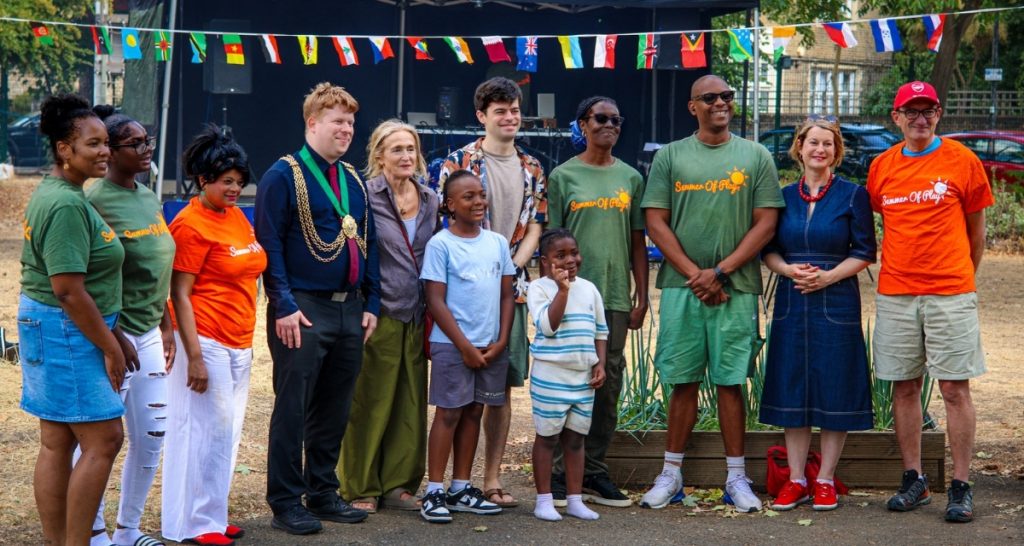
Candice said: “Power to Prosper helped with developing the business case for our lease as well as the community organizing around pulling in the right people like councillors, MPs, local people and other professional expertise to come in which has been really great because you need all of that.”
“We got a grant investment to be lead partner which was around £30,000. We developed a concept of an asset protection force.”
“We’ve been thinking about what kind of process and what support do we need to pull in closer to our community. So, if you need legal assistance, we’ve got one on hand. If you need a business case that is successful as a template, that formula is there on hand because people those are the missing skill sets.”
“I’m an early years practitioner by trade. I’m not a legal person. I’m not a business analyst so all of these additional professions, we need to pull closer.”
“We recognize that it’s not just about acquiring the lease, it’s about the infrastructure to support leads like myself who are navigating this. It’s a collective of professionals needed to acquire a premise, and it’s how can we bring community leads and organizations closer to professional support to be able to acquire.”
Wayne says that the Power to Prosper programme’s longer-term vision is “absolutely critical” as Brixton becomes an area “very attractive” for developers, and that PTP is helping them “identify and secure those critical assets within the community.”
Erel adds that the programme is also focused on helping organisations “move beyond surviving from funding cycle to funding cycle” and towards “creating income that can stay within their communities.”

But while LCC Max Roach and MLCE build the foundations to help make their dreams of ownership a reality, other valuable community assets have had their nightmares realised.
International House, located in the centre of Brixton and is home to over 100 non-profit groups has recently been approved by Lambeth council for redevelopment. The plans will see charities and advocacy groups which pay little to no rent in the building, forced out while the premises is turned into private housing with a portion going towards affordable housing.
Among the organisations running within the building is a custody intervention programme, Divert which is headed by Kate Ruby who says losing the venue located near Brixton Police station which lends itself as a “neutral gang- free area” has left her feeling “anxious.”
Kate said: “I just hold my breath every day and pray and pray there’s an extension. That’s what I pray for. It’ll be a big loss to all those charities.”
Josh Falconer-Roberts who supports the Lambeth Hub, a network which connects MLCE, LCC Max Roach and other organisations and helps identify their most pressing needs, says that many of the charities housed in the building worry about how they’ll be able to continue serving the community.
Josh said: “There’s all these connections, community and partnerships that have kind of formed within this building.”
“There’s almost a sense grief in a way of what is about to be lost.”
But a Save International House Campaign has since been launched along with a nomination to be recognised as an Asset of Community Value (ACV). If the building is successfully added to the list of ACVs, it will be seen as holding value for the local community which comes with certain protections against being sold.
Josh says that through the Lambeth Hub, the Power to Prosper programme has supported the Save International House Campaign by assisting with strategising so far and planning in the event that the redevelopment cannot be stopped.
Josh says that another potential way to save community buildings would be for an “umbrella structure” to be created to hold a “portfolio of assets” which he believes could be funded by a grant to support purchases which would be done by an emerging working group called Brixton Commons.
But while the battle continues to save Brixton’s community assets, what is clear to see is that the community won’t be giving up any time soon. MLCE, LCC Max Roach and the organisations working from International House have devoted themselves to ensuring that Brixton’s communities aren’t erased. They simply support and the business, legal and infrastructural tools that can make community ownership a tangible reality. But, with the help of PTP, resourceful organisers Wayne and Candice are gaining the knowledge, support and infrastructure needed to secure greater ownership for community assets while juggling being counsellors, managers and community aunties and uncles. As the growing ripples of resistance etched in Brixton’s history reverberate across the district, PTP aims lend a hand to those with a stake in bettering the places they live and believe community and ownership is an investment truly worth fighting for.